

In a world increasingly driven by accountability and transparency, ESG is no longer optional – it’s a strategic necessity. But what exactly is ESG, and why is it transforming the way businesses operate?
What Does ESG Stand For
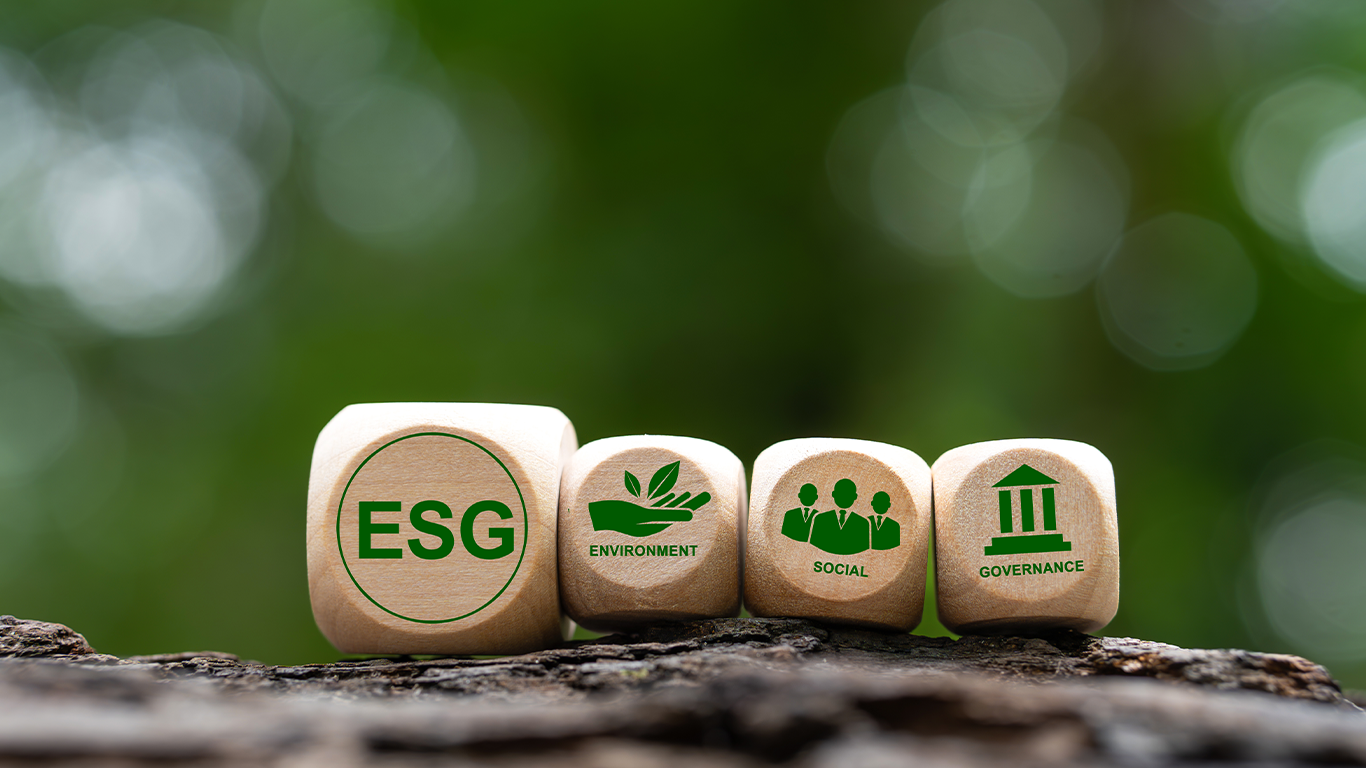
ESG stands for Environmental, Social, and Governance – a set of non-financial criteria used to evaluate a company’s ethical and sustainable performance.
Environmental covers how a company impacts the planet: carbon emissions, energy use, waste management, and biodiversity protection.
Social focuses on how a company treats people – employees, communities, customers. It includes diversity, labor practices, and human rights.
Governance refers to internal controls, transparency, board diversity, and anti-corruption measures.
Why ESG Matters More Than Ever in 2025
Investor Pressure
Global investors now integrate ESG metrics into financial decisions. In 2025, over 90% of institutional investors require ESG disclosures.
Regulatory Compliance
The EU CSRD directive mandates thousands of companies to report ESG data – structured, verified, and comparable.
Market Expectations
Customers and employees expect companies to take a stand on climate, social equity, and ethics. ESG builds brand trust and loyalty.
ESG vs. CSR – What’s the Difference
While CSR (Corporate Social Responsibility) often involves voluntary actions, ESG is a data-driven framework built for accountability and external reporting.
CSR is about intention and philanthropy.
ESG is about measurable, reportable, and legally relevant action.
How ESG Benefits Your Business
- Access to green financing and investment
- Better risk management and compliance
- Enhanced reputation and stakeholder trust
- Clear frameworks for sustainability progress
Getting Started with ESG
If your company is just starting out, focus on these steps:
- Identify key ESG priorities (e.g. biodiversity, supply chain ethics)
- Collect baseline data
- Set measurable targets
- Implement policies and tools to track progress
- Engage platforms like Bee4Impact for verified ecological impact
ESG and the Role of Nature-Based Action
ESG isn’t just about internal policies. Real-world ecological contributions matter.
Supporting biodiversity, like beekeeping, directly contributes to pollination, food security, and climate resilience – and can be tracked as part of your ESG strategy.
Conclusion: ESG Is the New Business Standard
The ESG shift is here – and it’s global.
From risk reduction to competitive advantage, understanding what ESG is and embedding it into your core strategy is a must for businesses in 2025 and beyond.